Description
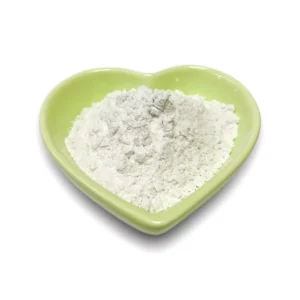
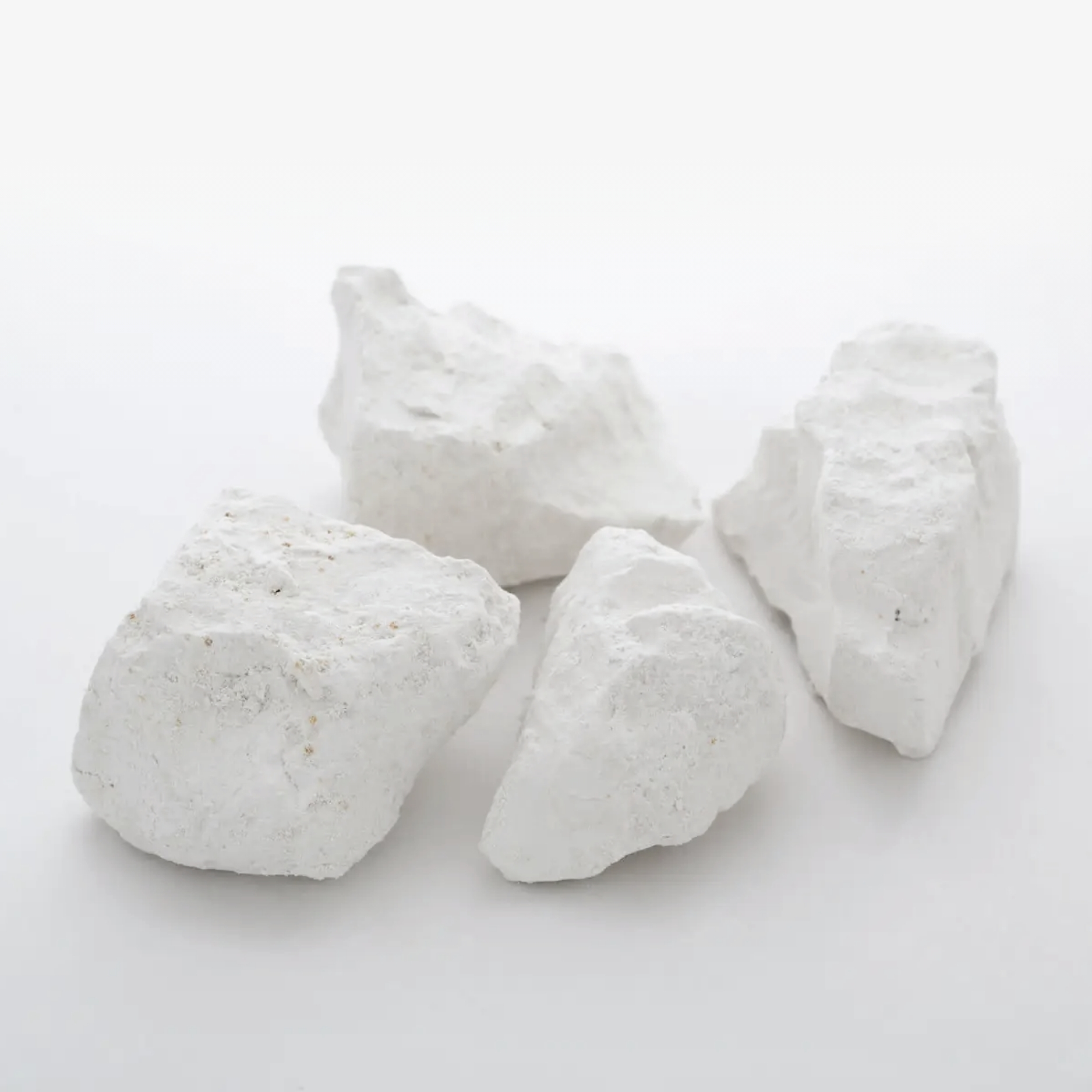
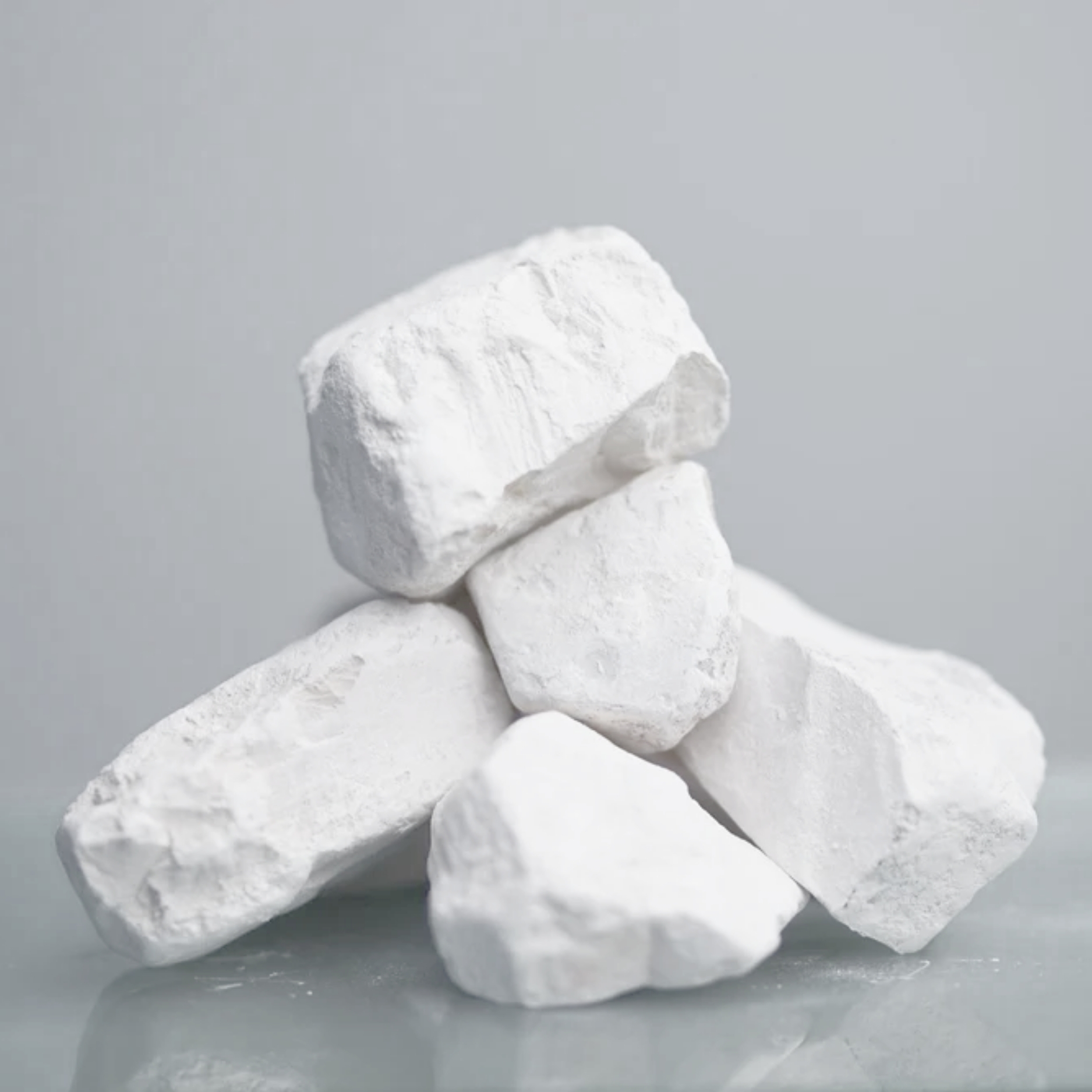
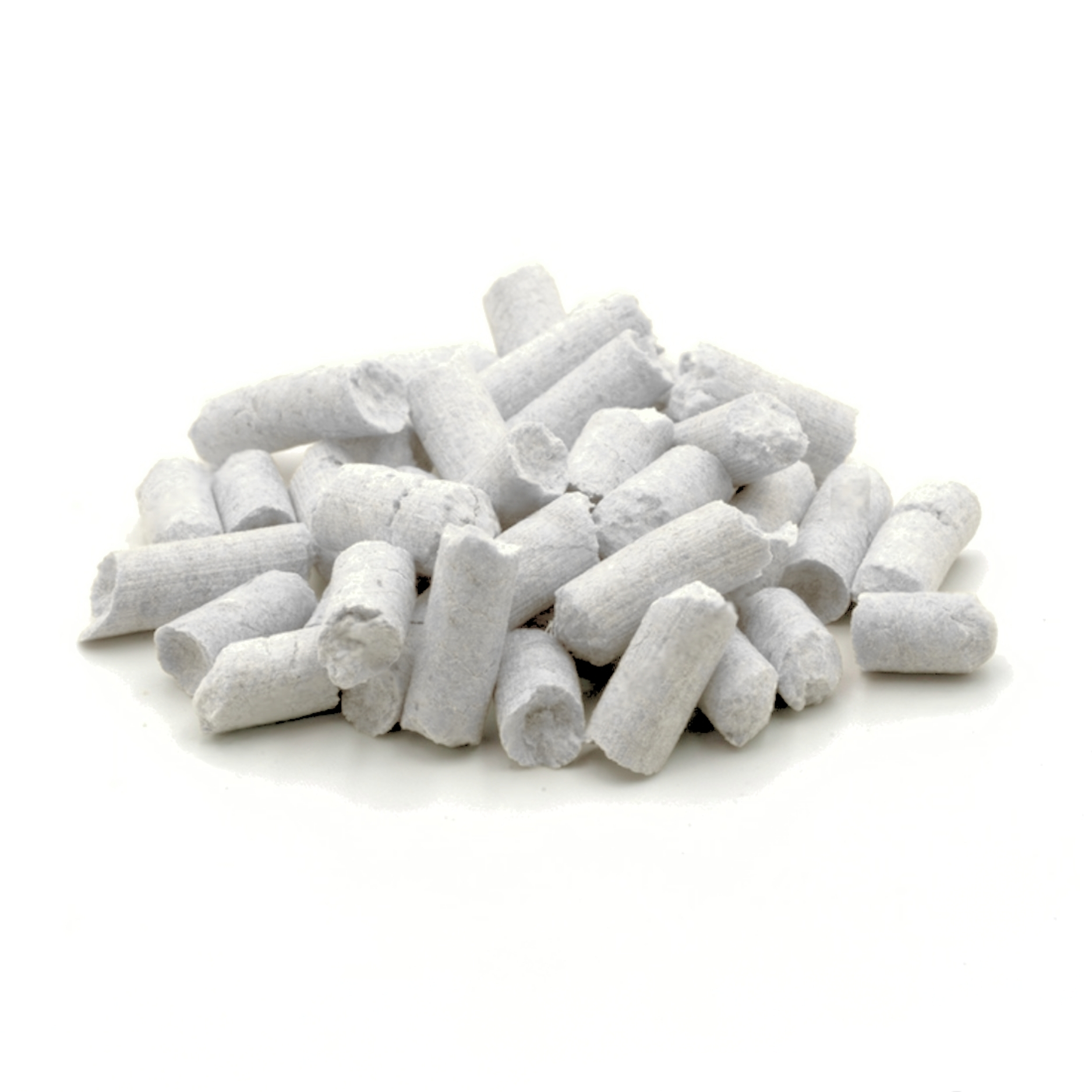
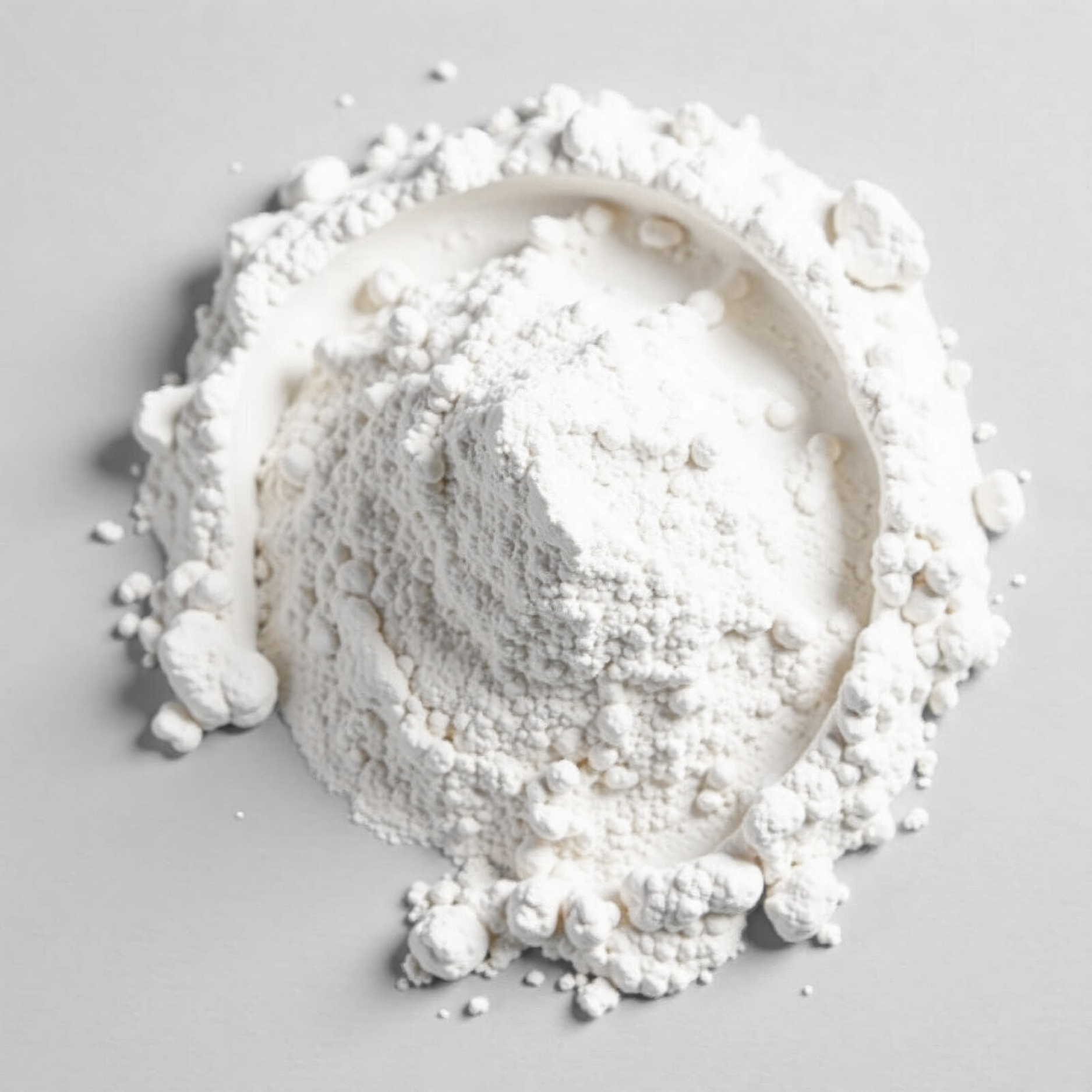
China Clay, commonly known as kaolin, is a naturally occurring hydrated aluminium silicate valued for its fine particle size, high whiteness, and low iron and titanium content. Vulcan supplies kaolin for ceramics, paint, and paper applications, each requiring a different grade.
What it is
Kaolin is a clay mineral formed from the weathering of aluminium silicate minerals such as feldspar. Its chemical formula is Al2Si2O5(OH)4. The properties that matter most to buyers are particle fineness, whiteness, and the level of iron and titanium impurities, since these directly affect how the material performs after processing or firing.
Key applications
- Ceramics and sanitaryware: a core body and glaze ingredient. Provides plasticity to the clay body before firing and contributes whiteness to the finished piece after firing.
- Paint: used as an extender and opacity-boosting filler.
- Paper: used two ways. As a filler, it improves opacity and brightness. As a surface coating pigment, it improves gloss and print quality.
Choosing the right grade
Ceramic grade, sanitaryware grade, paint grade, and paper grade kaolin are different products, not different names for the same material. The grade that performs well in a tile body will not necessarily perform well as a paper coating pigment. Whiteness and purity are the two properties worth testing for first, regardless of which grade is being sourced. Tell us the intended application, ceramics, sanitaryware, paint, or paper, before requesting a quote, since it changes which grade we recommend.
Frequently asked questions
Which kaolin grade do I need for ceramic tile bodies versus paper coating?
Ceramic and sanitaryware grades are selected for plasticity and post-firing whiteness. Paper coating grade is selected for brightness and print quality rather than firing behavior. These are different specifications, tell us your end use and we will recommend the right grade.
What causes kaolin to vary in whiteness between suppliers?
Whiteness is driven primarily by the iron and titanium content in the raw clay. Lower iron and titanium content produces a whiter finished product. This is one of the first things worth testing when comparing samples from different suppliers.
Related products
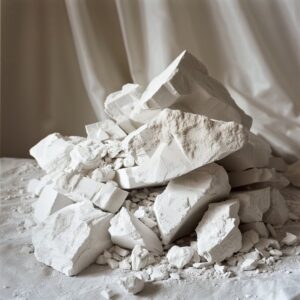
China Clay (Kaolin) sits at the fully processed end of the China Clay spectrum. Explore related grades we supply: Washed China Clay and China Clay Crude Lumps.